

Medical Library
It is important to figure out what is wrong with rats who are unwell as quickly as possible. It can be difficult to pinpoint the root cause with the amount of scattered, sometimes outdated, information across the web. This page serves as a living library with new cases and conditions being added as they arise within the community.
WARNING: Graphic imagery and descriptions are present. Read at your own risk.
Index of Common Health Problems in Rats
Select from the list to jump to a specific category
Dermatological (Skin) Conditions
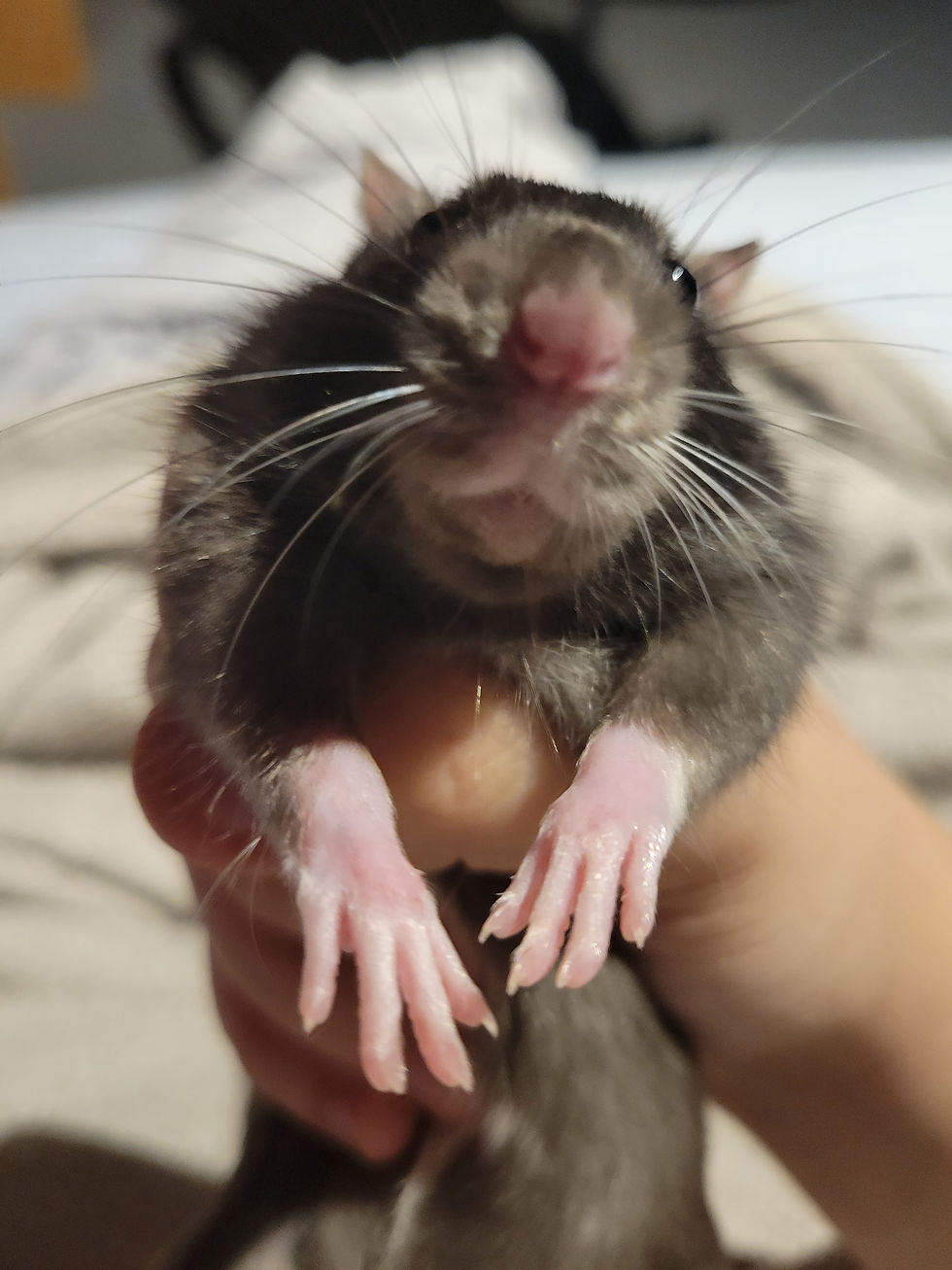

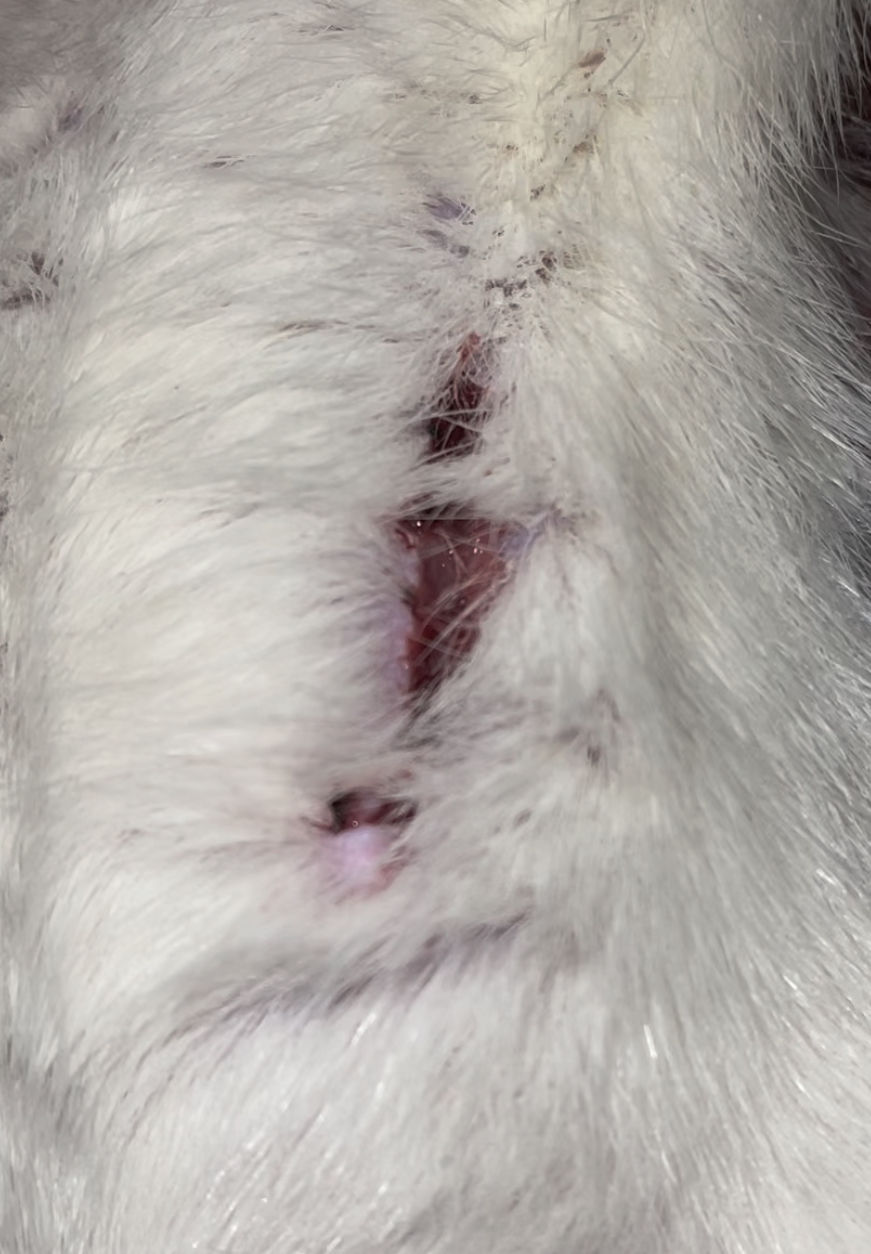
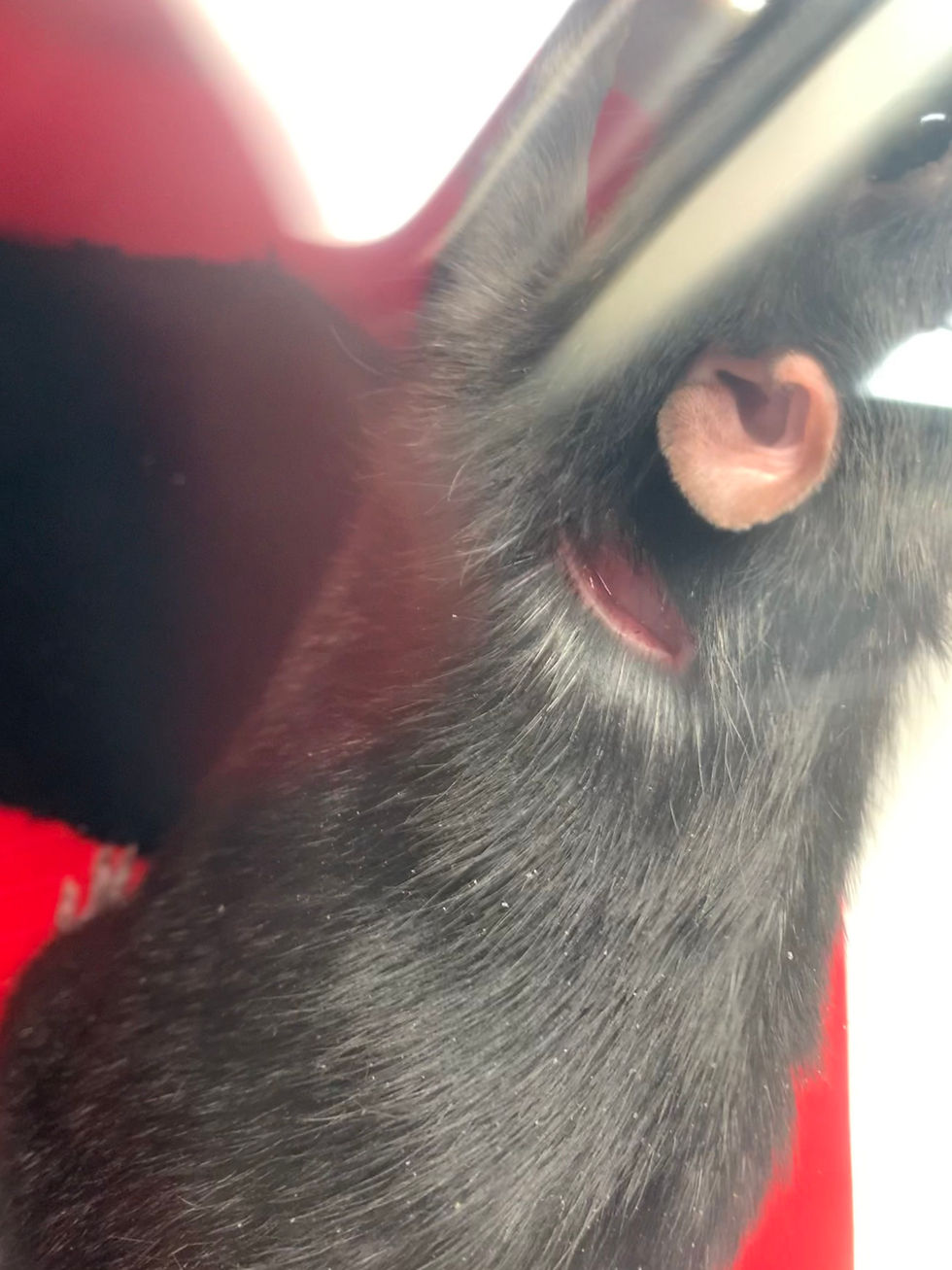


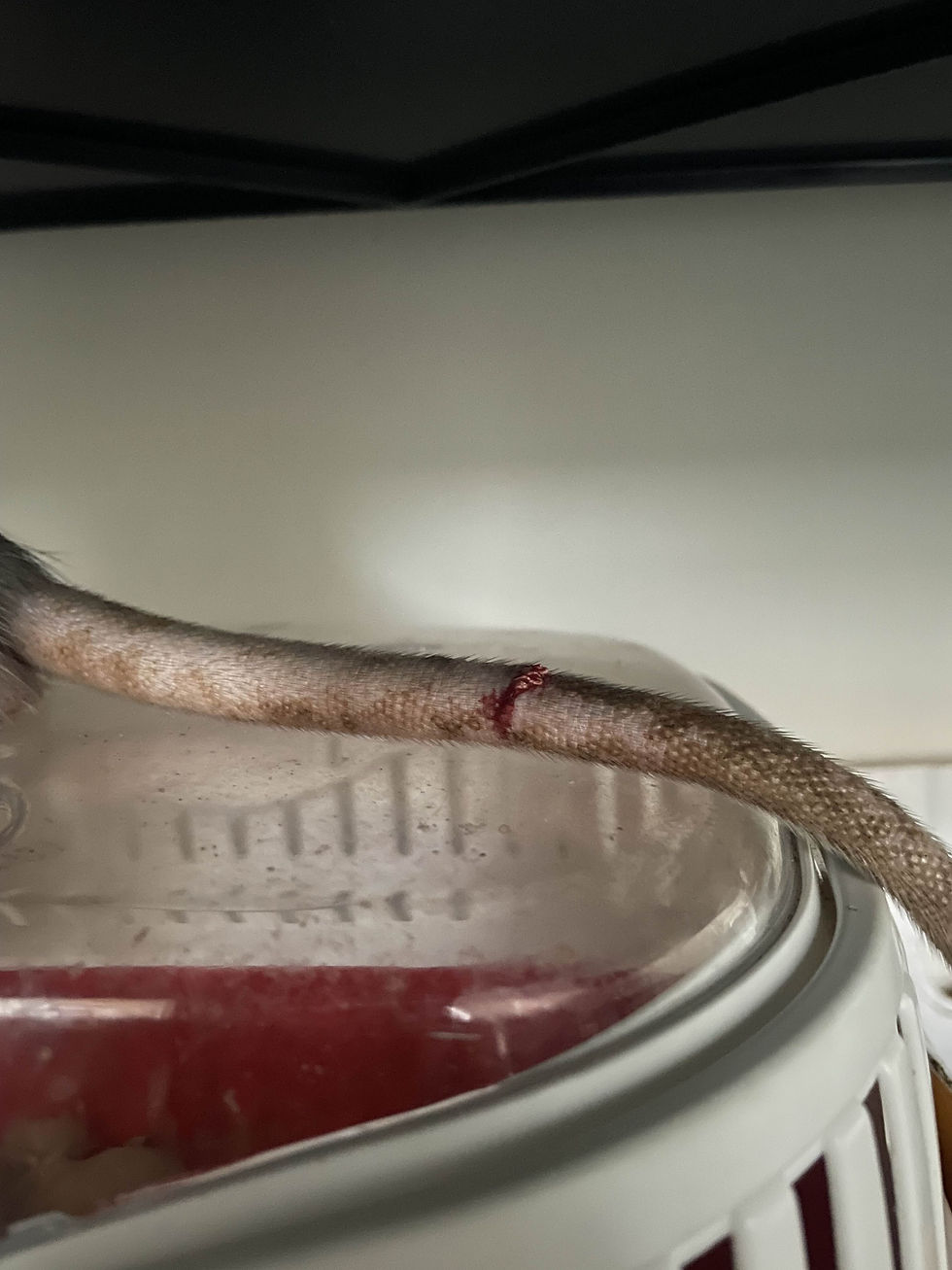

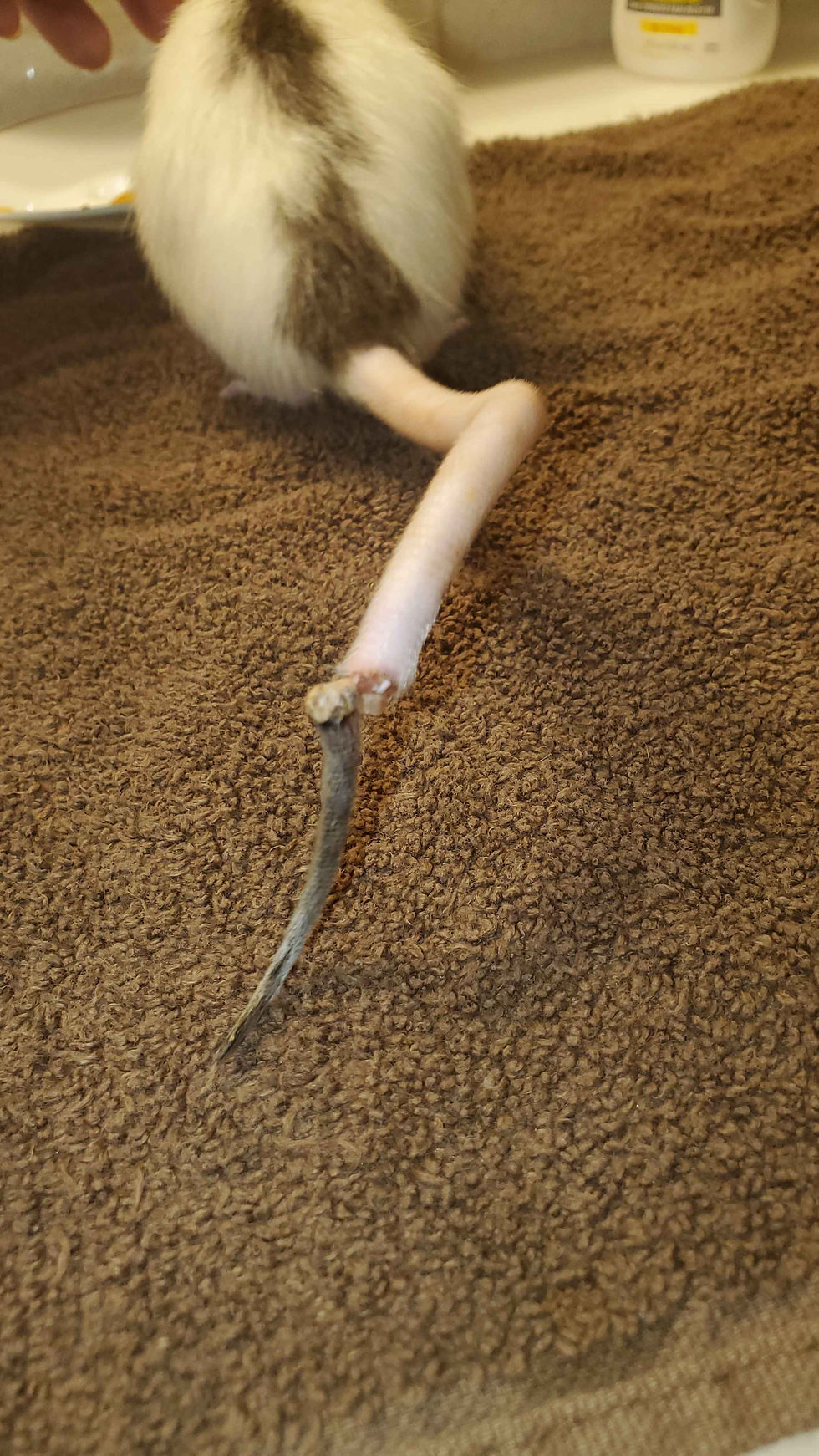

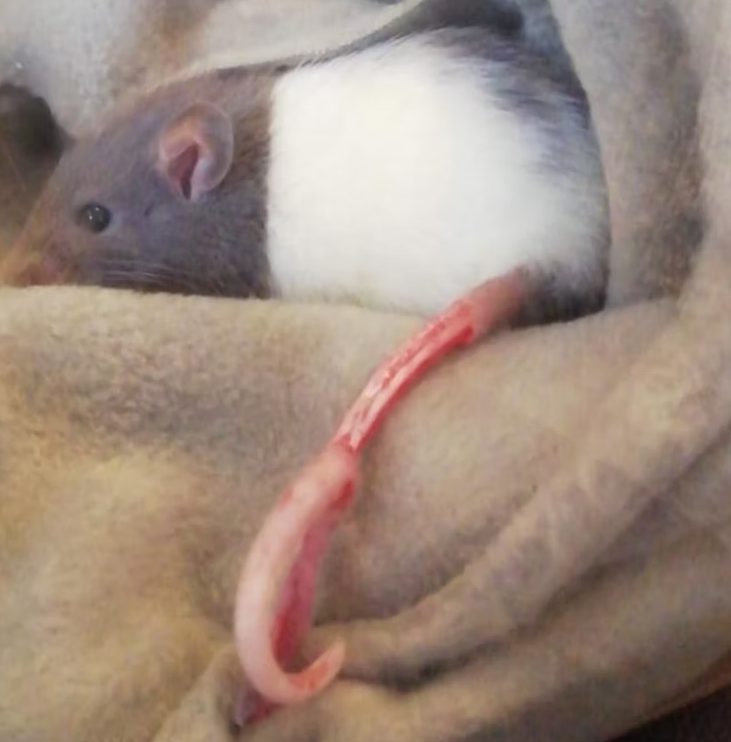

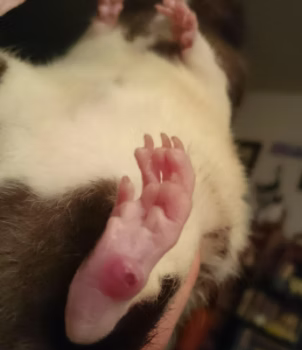
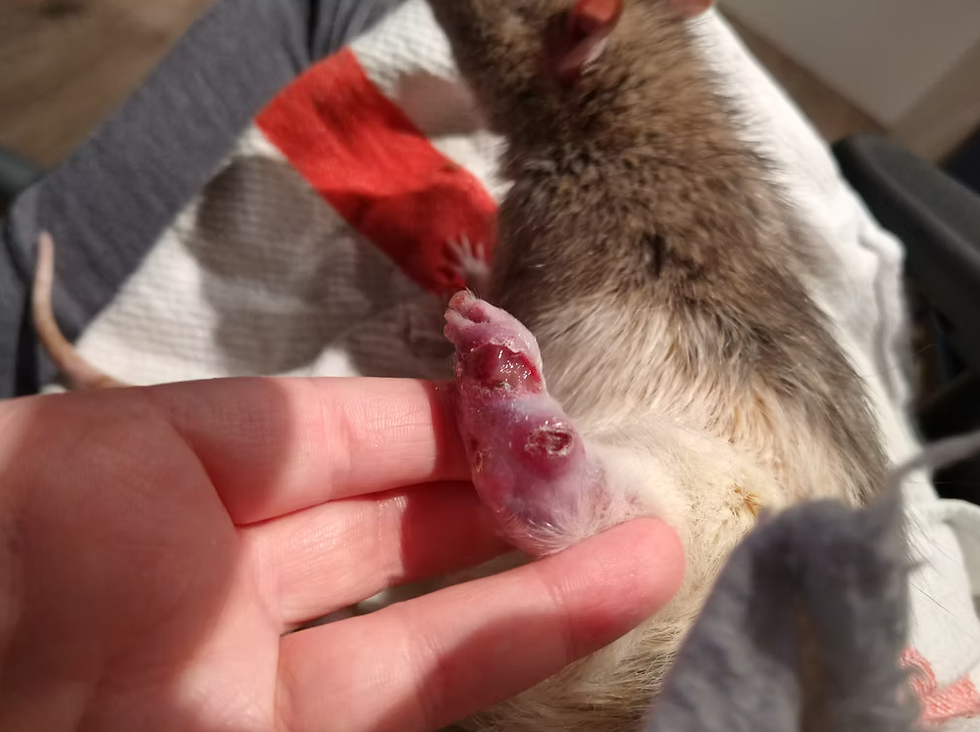


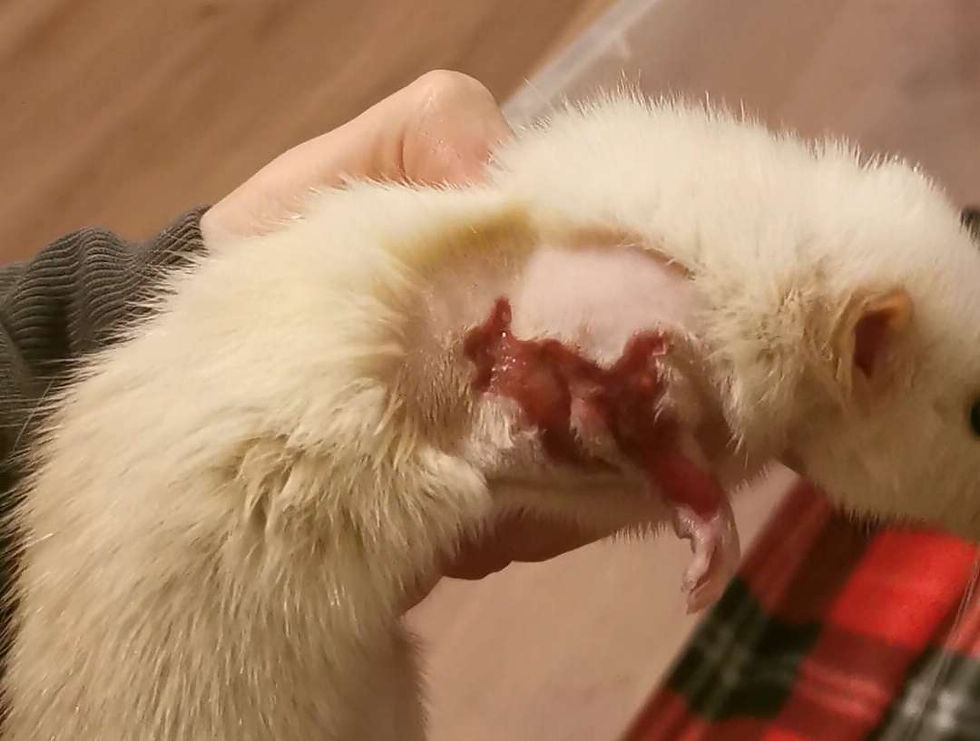


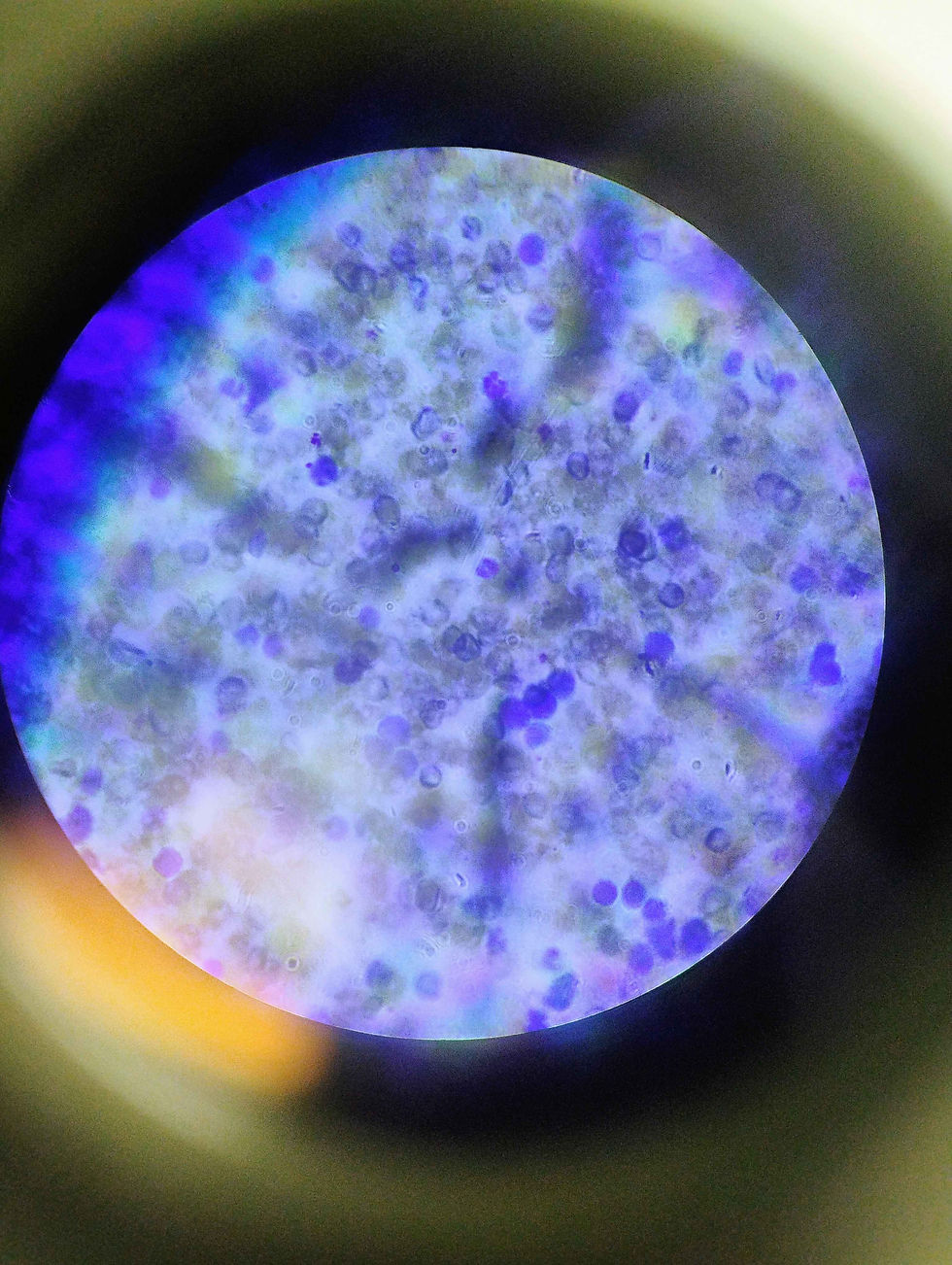


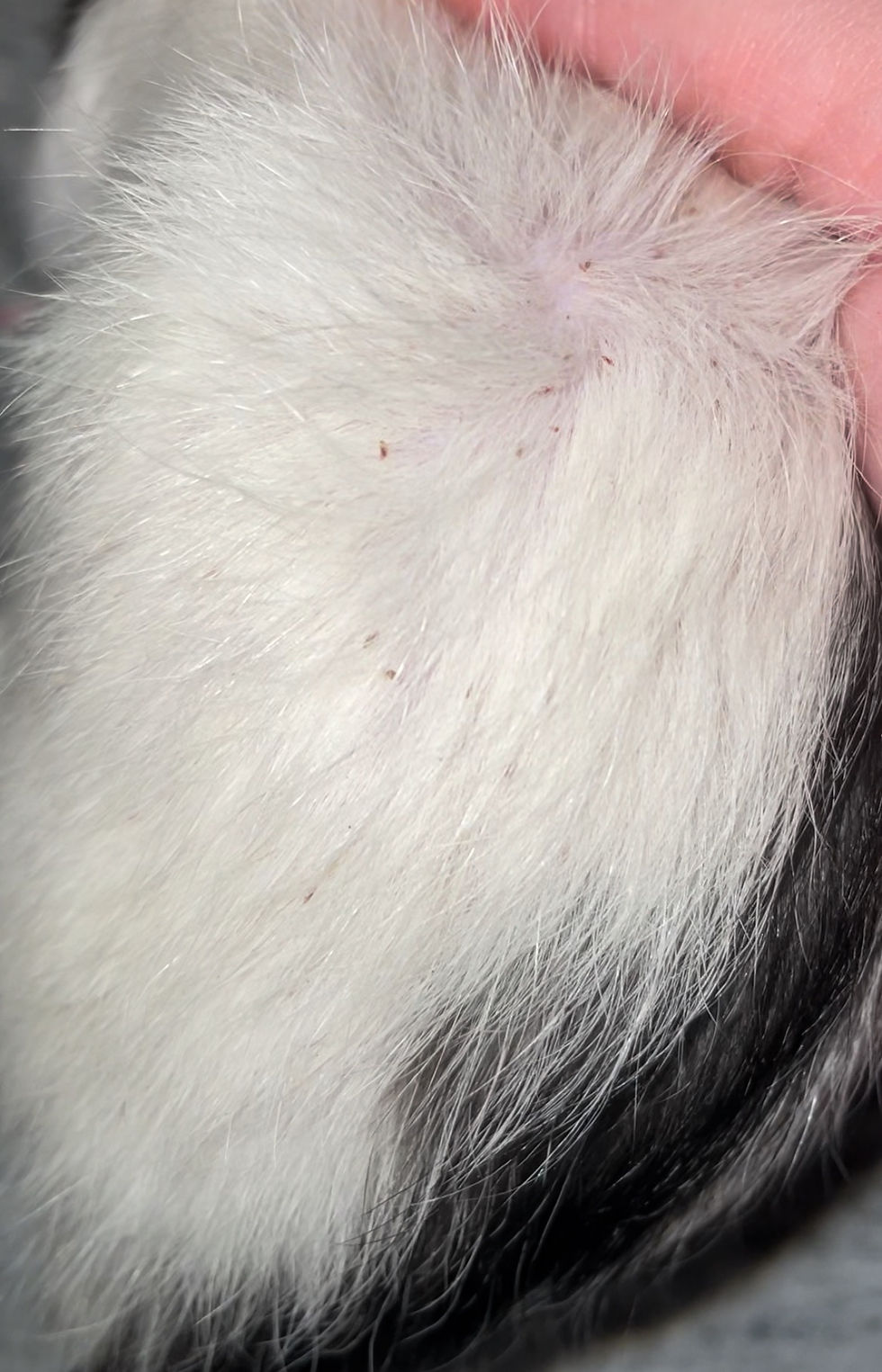


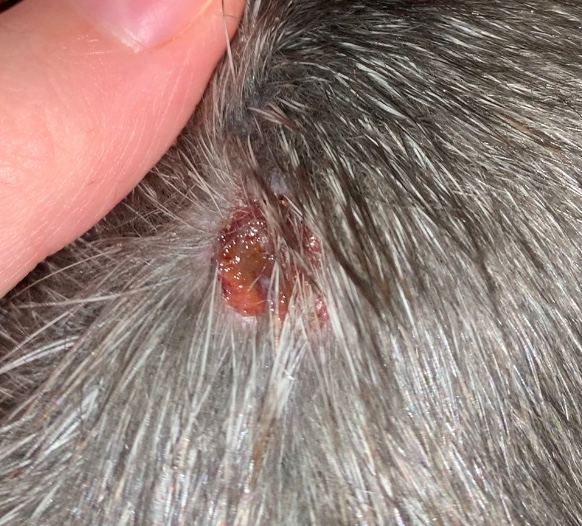
Abscesses are one of the most commonly seen skin conditions in rats. Easily mistaken for tumours depending on the location, these arise seemingly “overnight” and grow rapidly over the course of a few days to a week.
Abscesses are typically self-limiting, and will resolve following a rupture of the site. In extreme cases however, they may require veterinary intervention in which the site is lacerated and drained. The veterinarian may also prescribe antibiotics to help reduce risk of sepsis.
Common locations for abscesses to form:
-
Preputal/Scrotal: typically occurring after neutering, these will usually resolve on their own. Be mindful that the swelling does not affect the rat's ability to urinate.
-
Eye: abscesses can occasionally appear near the eye or on the eyelids, and cause minimal concern after ruling out a Zymbal's Gland Tumour (ZGT)
-
Ear: abscesses near the base of the year are usually indicative of a ZGT. These require immediate veterinary intervention
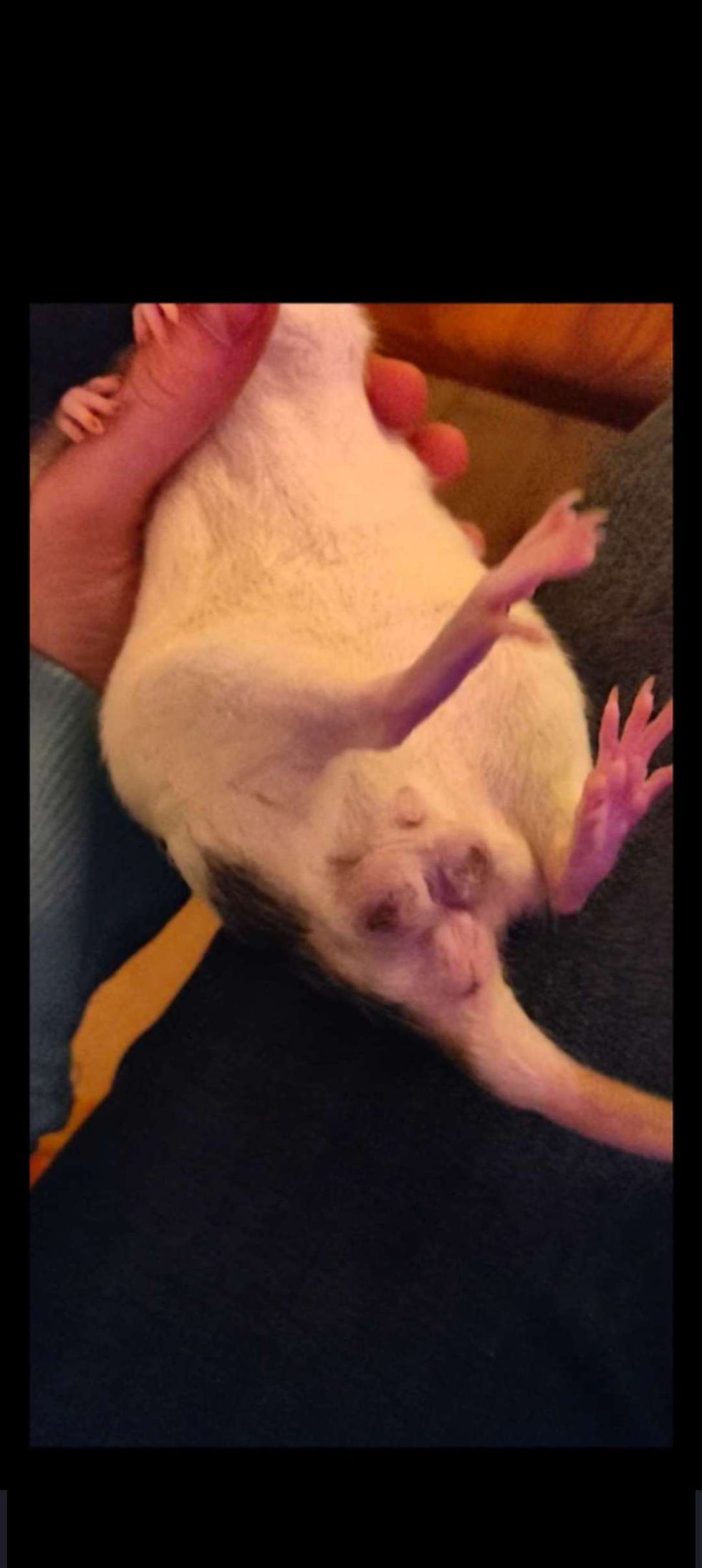
Scrotal abscess following neuter. Credit: Listar Rattery

Scrotal abscess following neuter. Credit: Listar Rattery

Abscess of abdomen before rupture

Abdominal abscess following rupture

Abscess of the Tear Duct. Credit: RatRandomness on Youtube
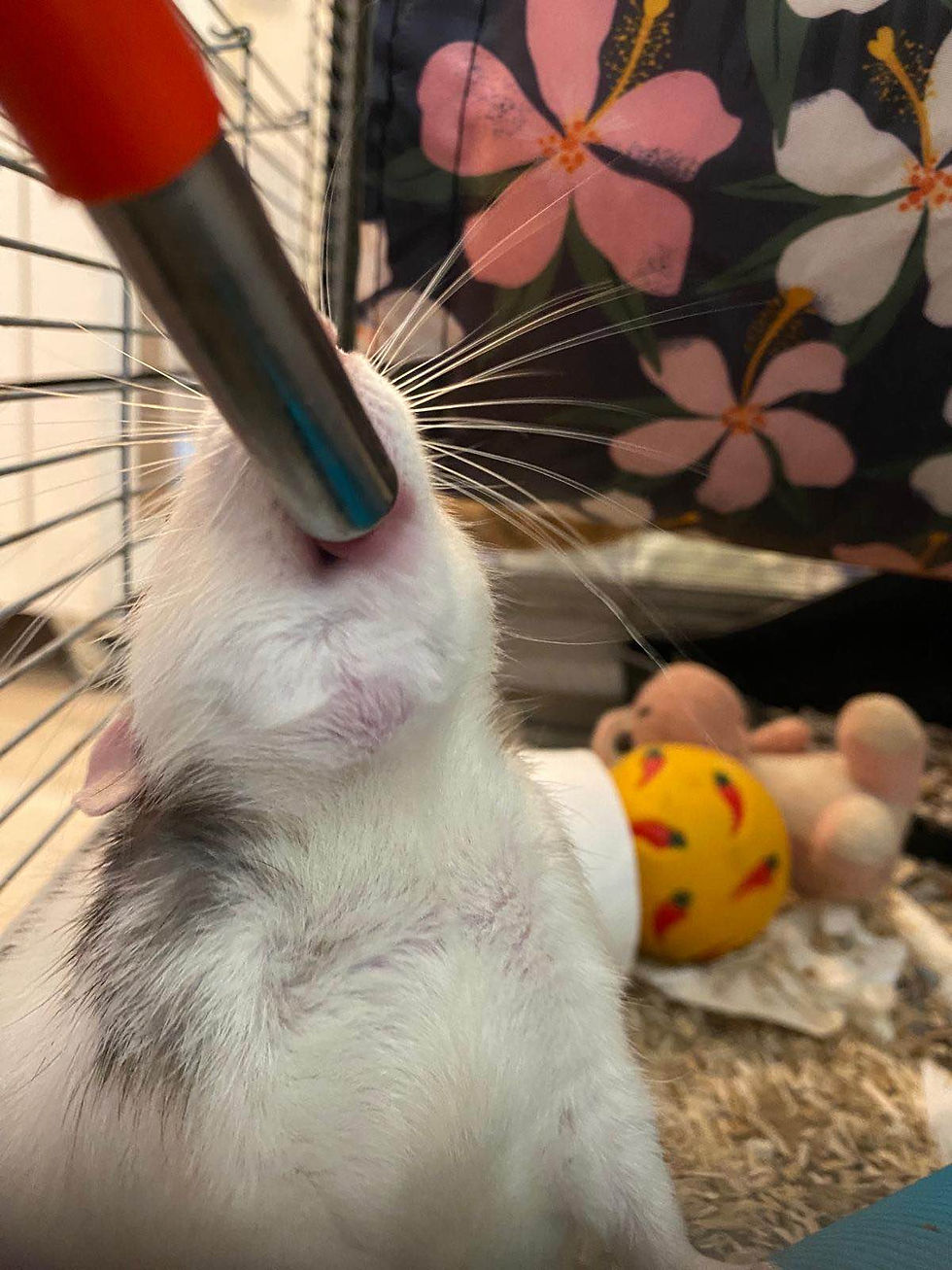
Non-cancerous, general abscess under chin. Credit: @angel1cccccc on Discord



Gastrointestinal Problems
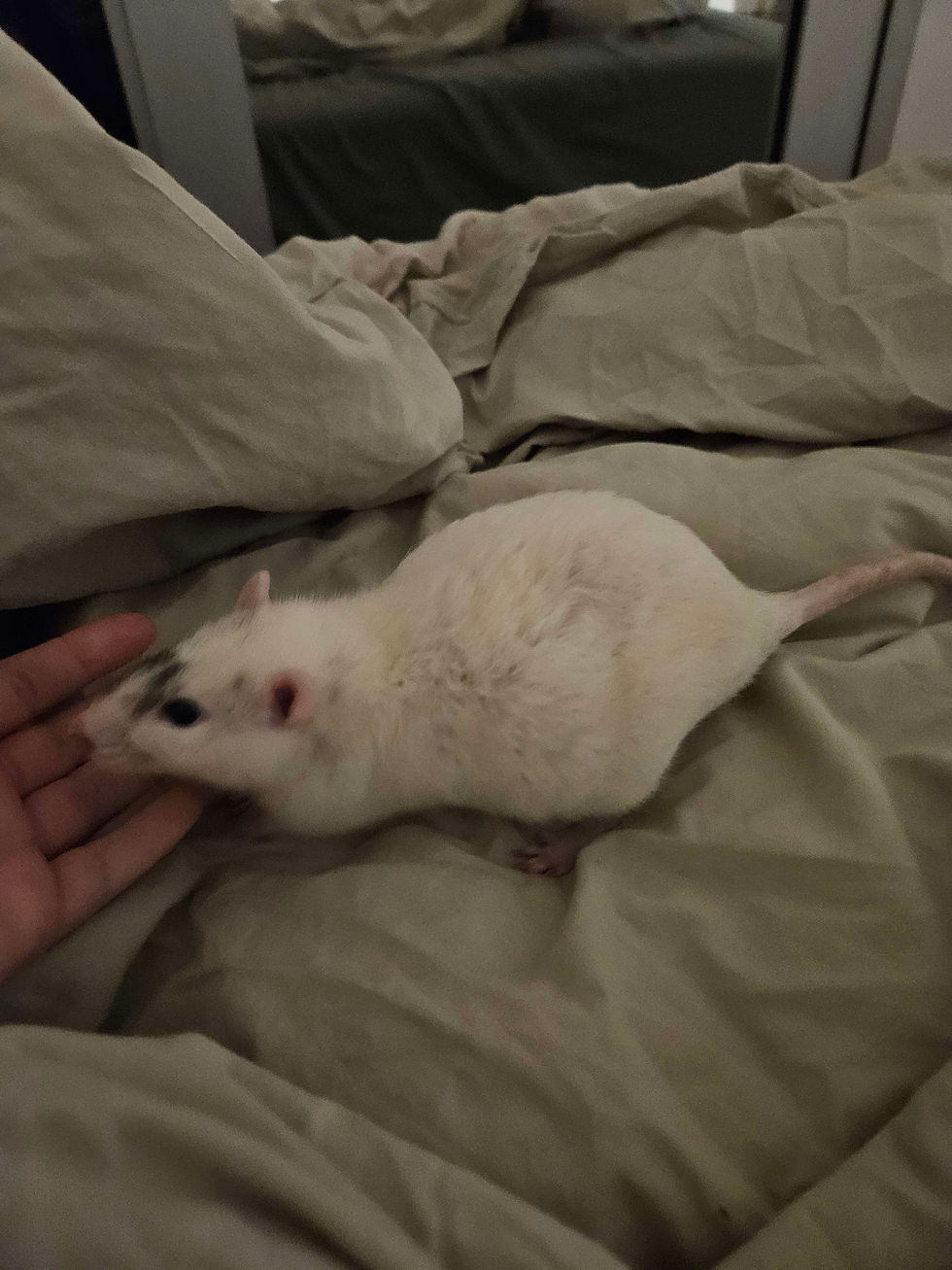
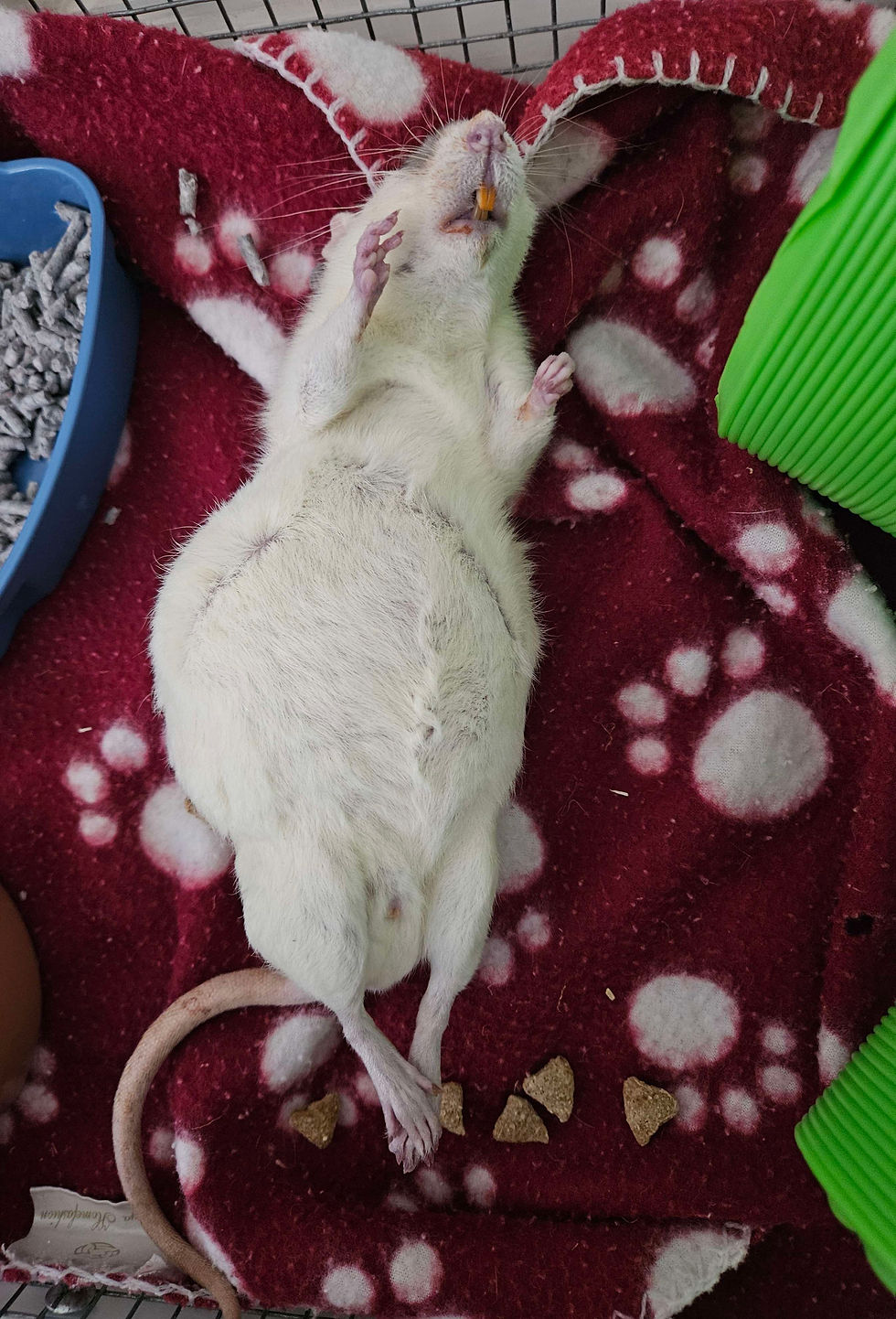

Caused by the protozoan organism Giardia muris
Related to the species of giardia that causes giardiasis in humans, Giardia muris is a protozoa that resides in the small intestine as trophozoites (the “adult” form). The organisms then divide by binary fission to replicate. Additionally they have a secondary lifecycle form known as a “cyst”. When a cyst is ingested by an uninfected host, they differentiate into the trophozoite form and adhere to the small intestine. Cysts are shed in the faeces of the rat, which can then spread from cagemate to cagemate.
Infection is typically asymptomatic and does not cause harm to humans or infected rats. However, in heavy infection cases, lethargy, appetite reduction, and loose stools can be reported.
Infectious Diseases
Also known as: Seoul Virus
Seoul Virus is a type of hantavirus that is carried by both pet and wild rats. While the virus is asymptomatic in rats, persistent infection is spread through saliva and excretions. Rats who have Seoul carry the virus for life, and pose a risk of spreading it to both humans and other rats.
Seoul virus causes severe illnesses in humans such as Haemorrhagic fever with renal syndrome (HFRS) and Hantavirus pulmonary syndrome (HPS). These are severe diseases that can be fatal. This is a reportable disease to CDC, ECDC and Public Health England.
Neurological Conditions

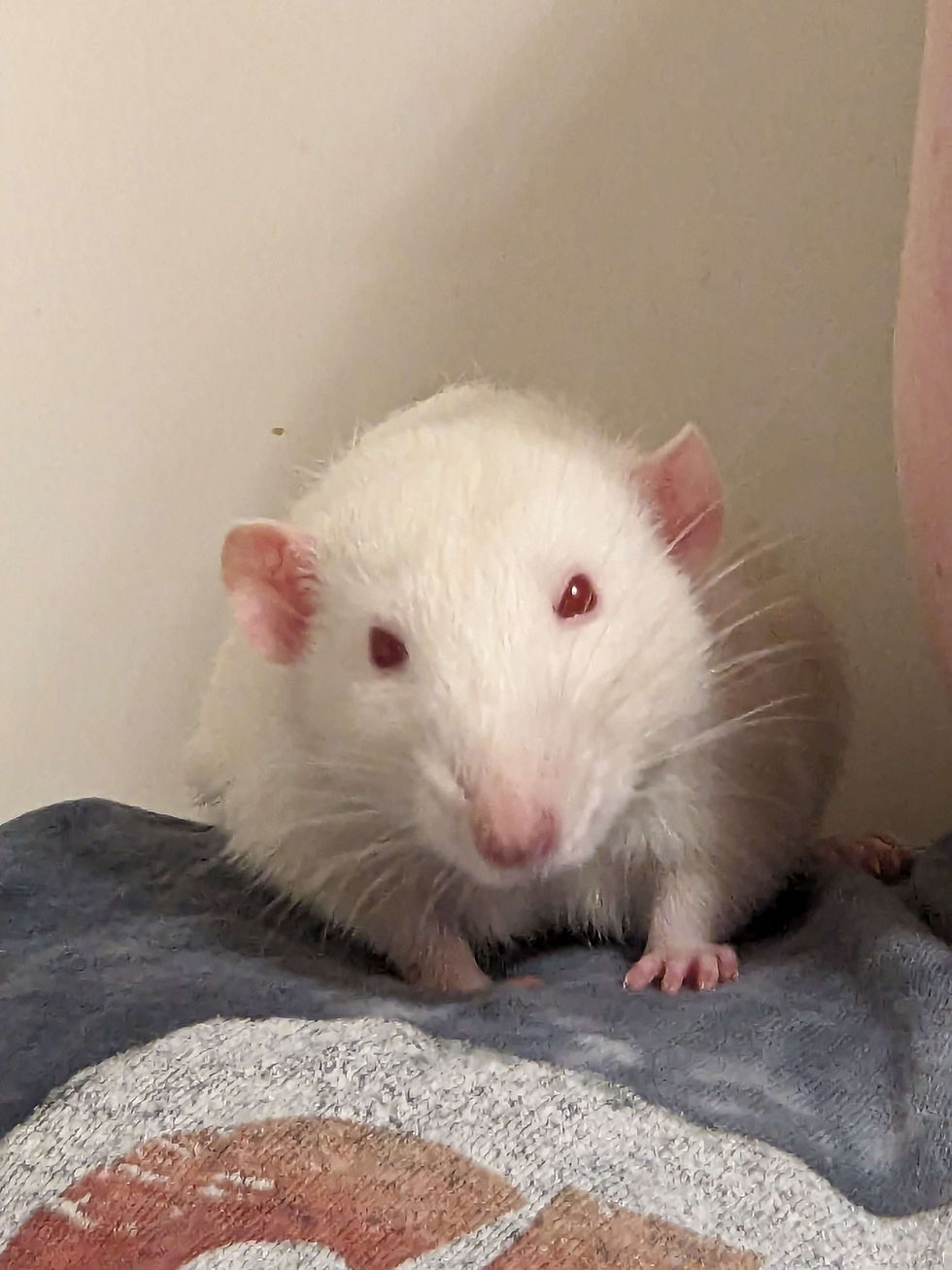
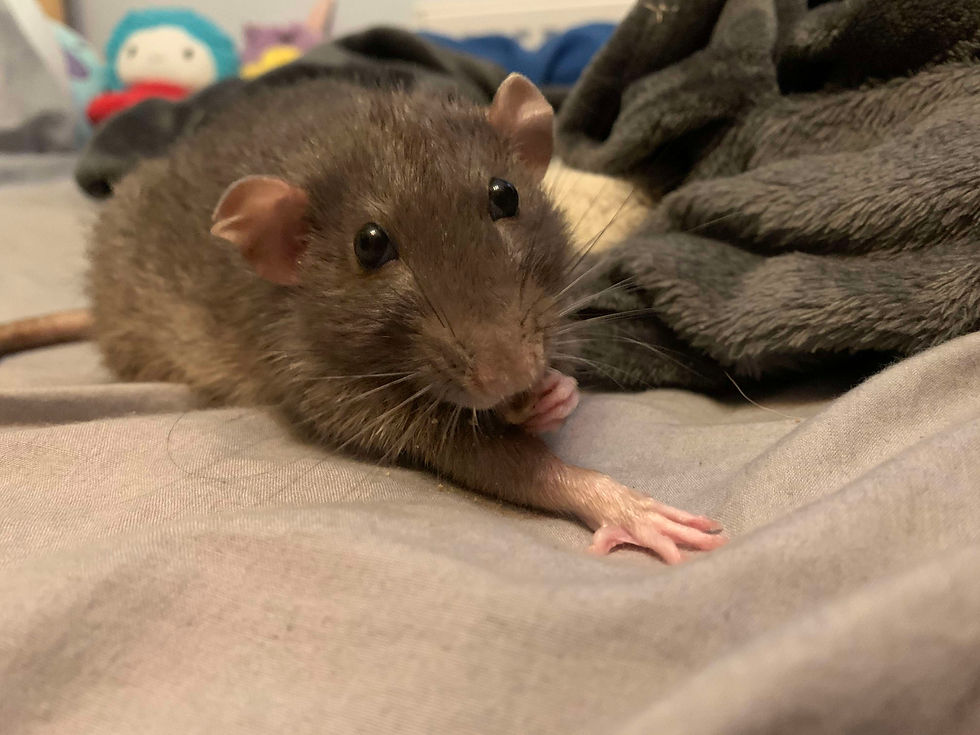
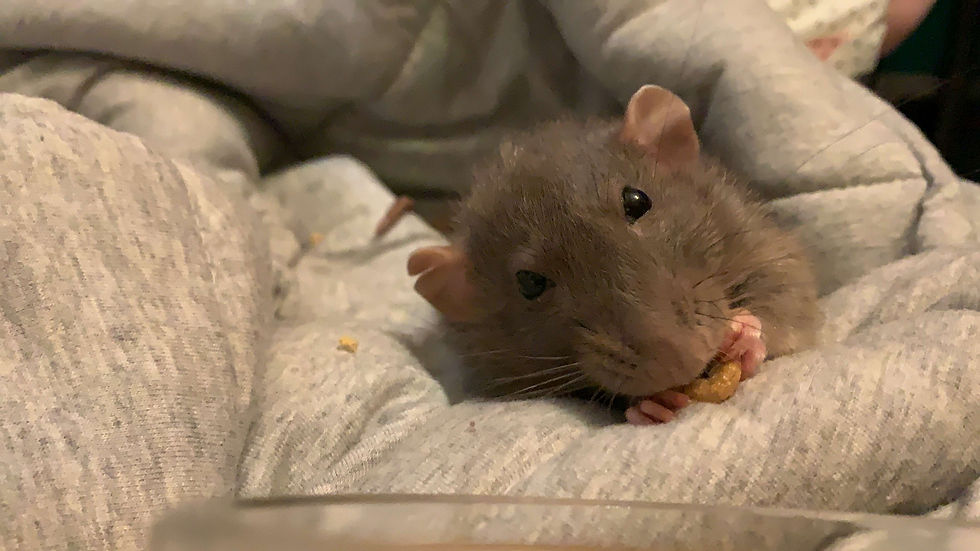

See: Aggression vs Play
At its core, aggression is genetic. It has been found that multiple specific genes, such as the Gltscr2, Lgi4, Zfp40, and Slc17a7 are contributors to the varying degrees of aggressiveness in rats. Specific regions of rodent DNA, known as quantitative trait loci, that correlate with tameness have also been identified. Aggression can be separated into two main categories: hormonal and general. Hormonal aggression is impacted by hormone levels in the rat. Testicular hormone-associated aggression is most commonly seen in male rats.
Hormonally-aggressive male rats tend to exhibit aggressive behaviours between the ages of four and nine months of age, when testosterone levels are highest. Castration of hormonally-aggressive male rats can alleviate aggressive behaviours, but is not always successful due to the specific genes underlying the aggressiveness. General aggression is not related to hormone levels in the body.
Aggression has several behaviours associated with it, such as lunging, hissing, mounting, piloerection (puffiness), and teeth chattering. However, the most significant, dangerous behaviour is biting.
Biting is not a learned or trained behaviour, but comes from the way their bodies produce chemicals in response to how their genes are expressed in stressful situations. Less aggressive, more tame rats have multiple differences in their endocrine and adrenal systems, including lower serotonin levels, reinforcing the biological basis of rodent aggression. Aggressive rats can unexpectedly bite cagemates because the cagemate doesn't know how to avoid scaring it as well as a human might. Attacks from other rats can become fatal quickly if intervention is not sought. In addition, a rat that chronically bites is regularly stressed, afraid, and unhappy; this is not a good quality of life for the rat. Since aggression is on a genetic basis, it cannot be trained out. There are no reliable studies that prove that rats can be successfully trained out of aggressive behaviour.
Ophthalmological (Eye) Conditions

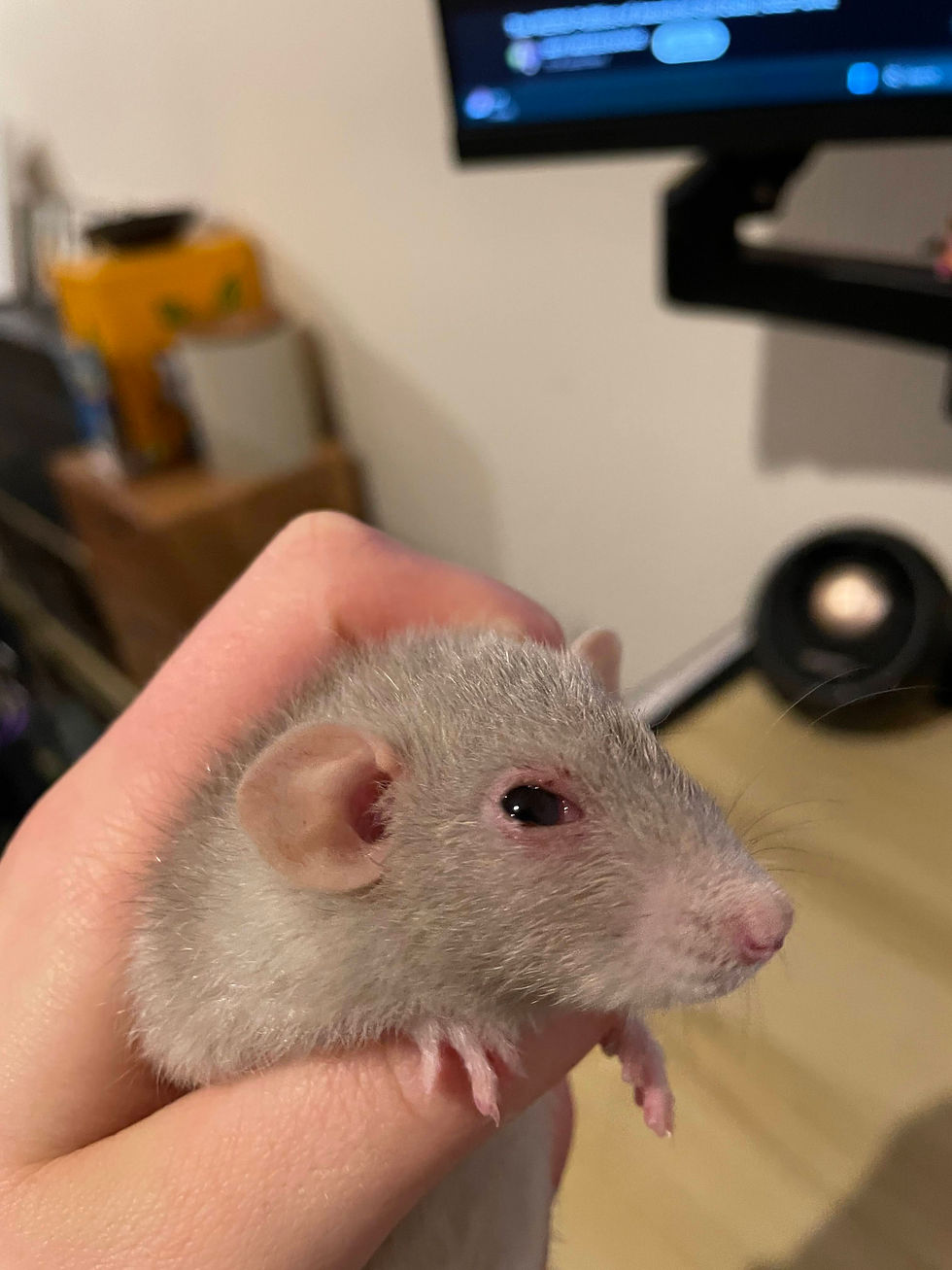
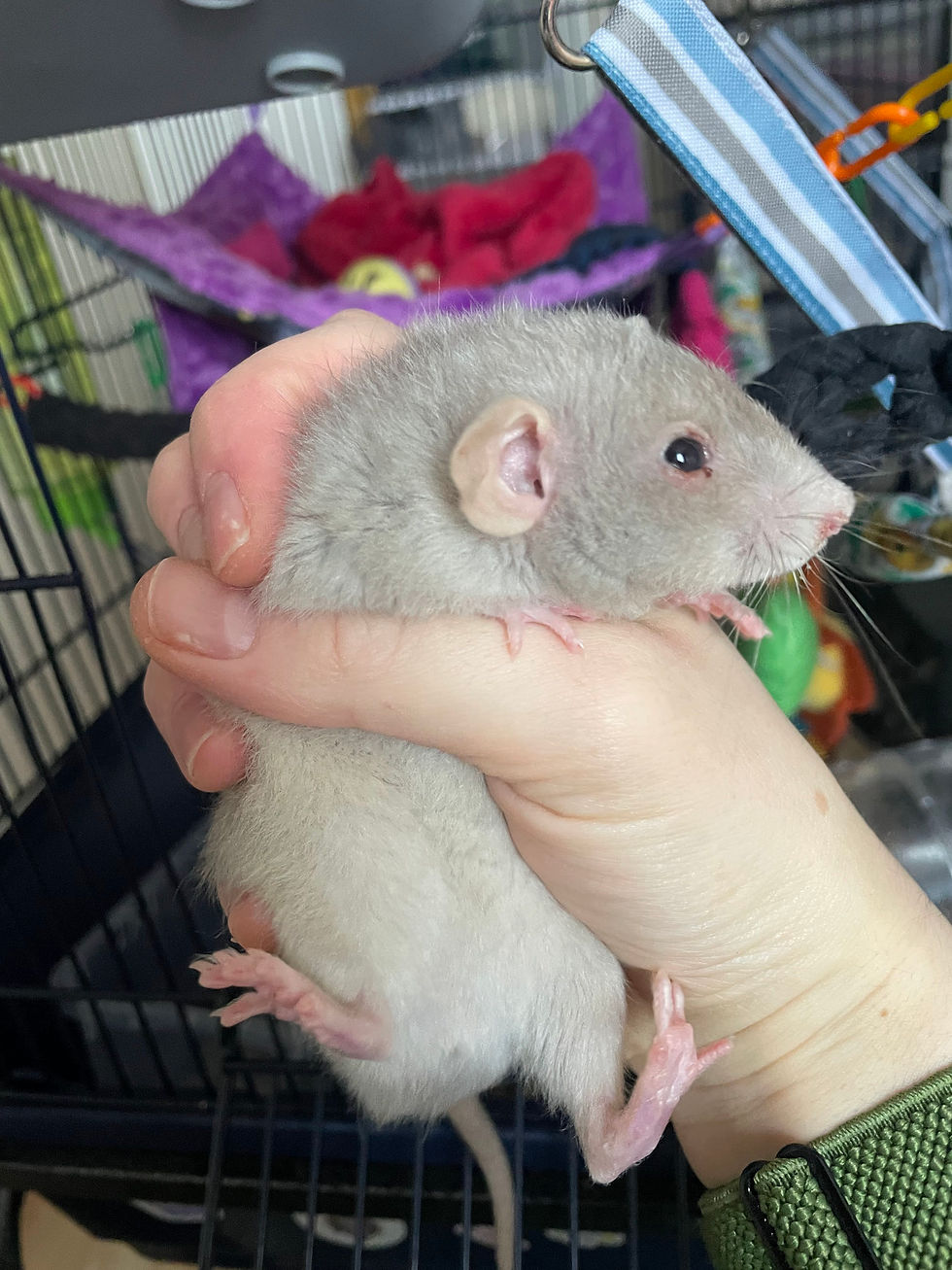


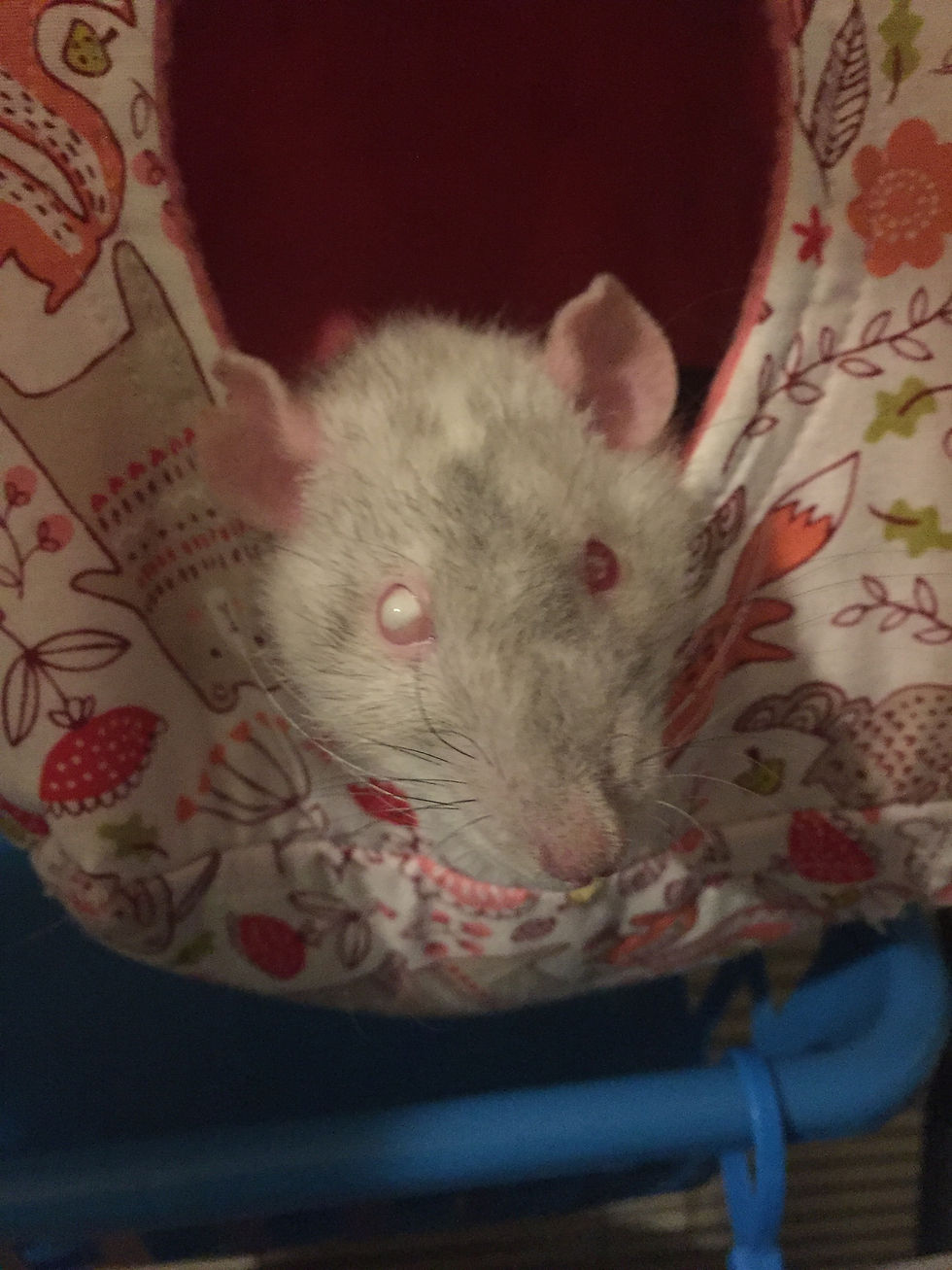
Exceptionally common in older rats (>1y), cataracts are characterised by a cloudiness of the ocular lens. Since rats have fairly poor eyesight and rely almost exclusively on their whiskers and sense of smell for navigation, cataracts pose no cause of concern for the rat and are purely cosmetic.

Credit: @moongradients on Discord

Credit: @gnat on Discord
Credit: @aquaticassassin on Discord
Oral & Dental Problems

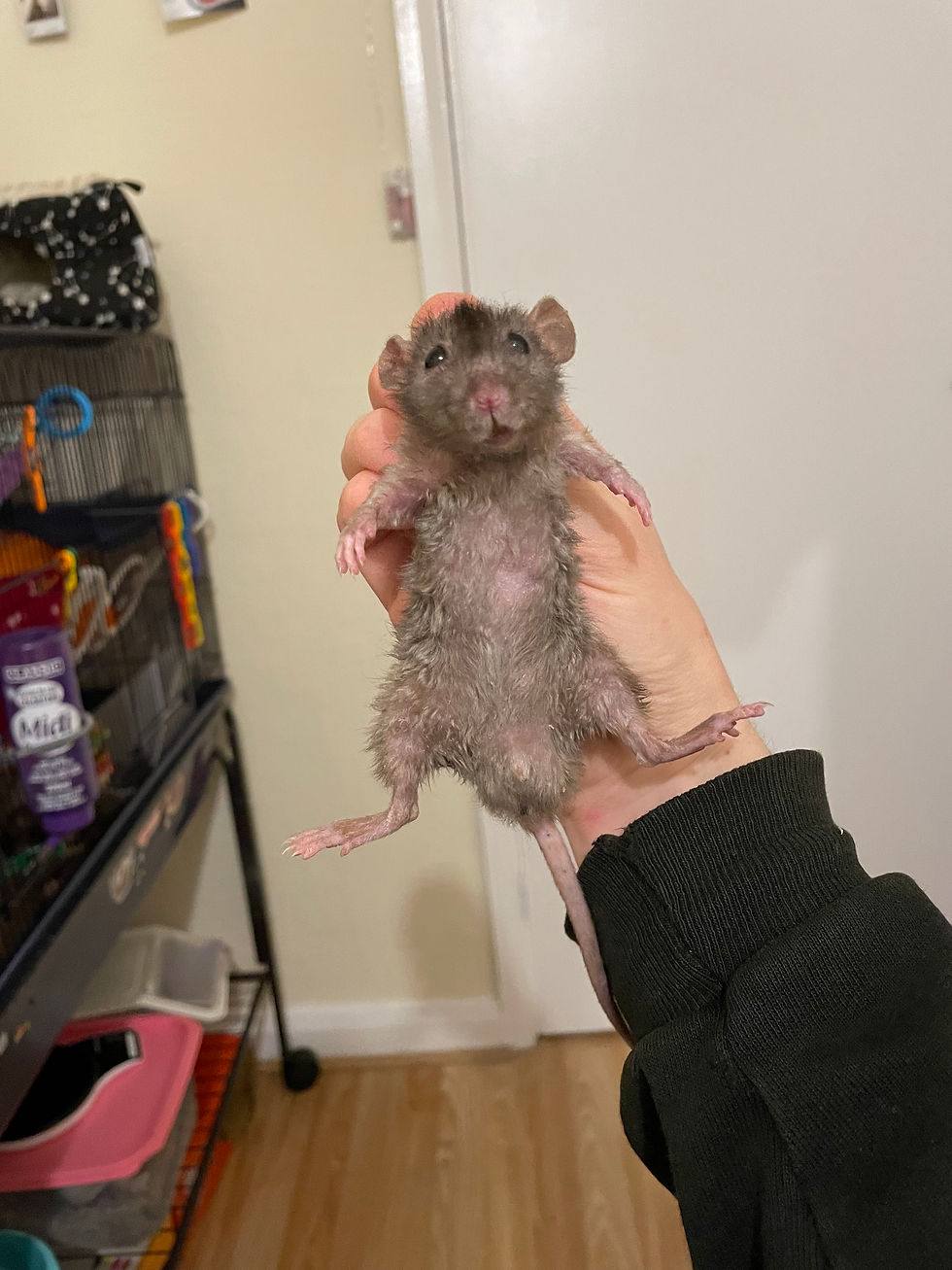


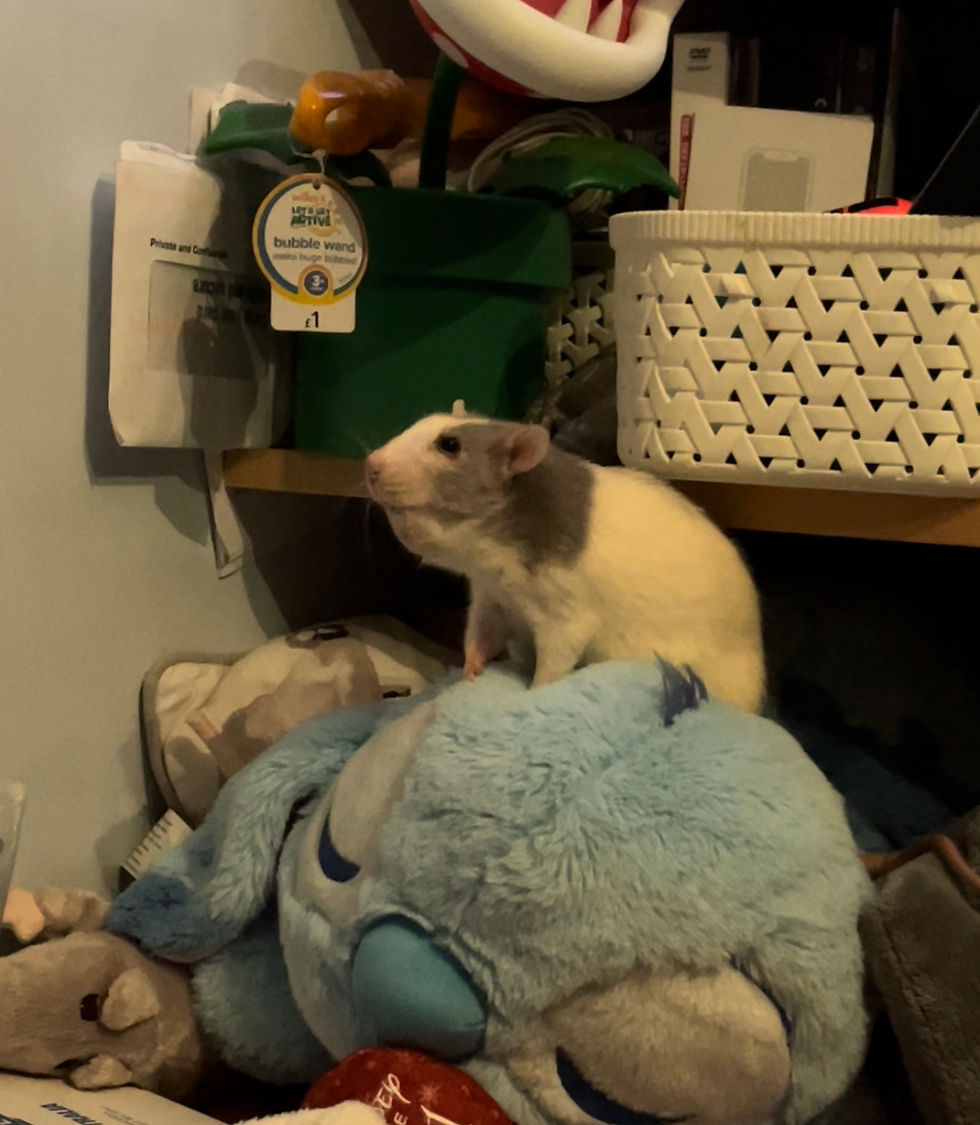
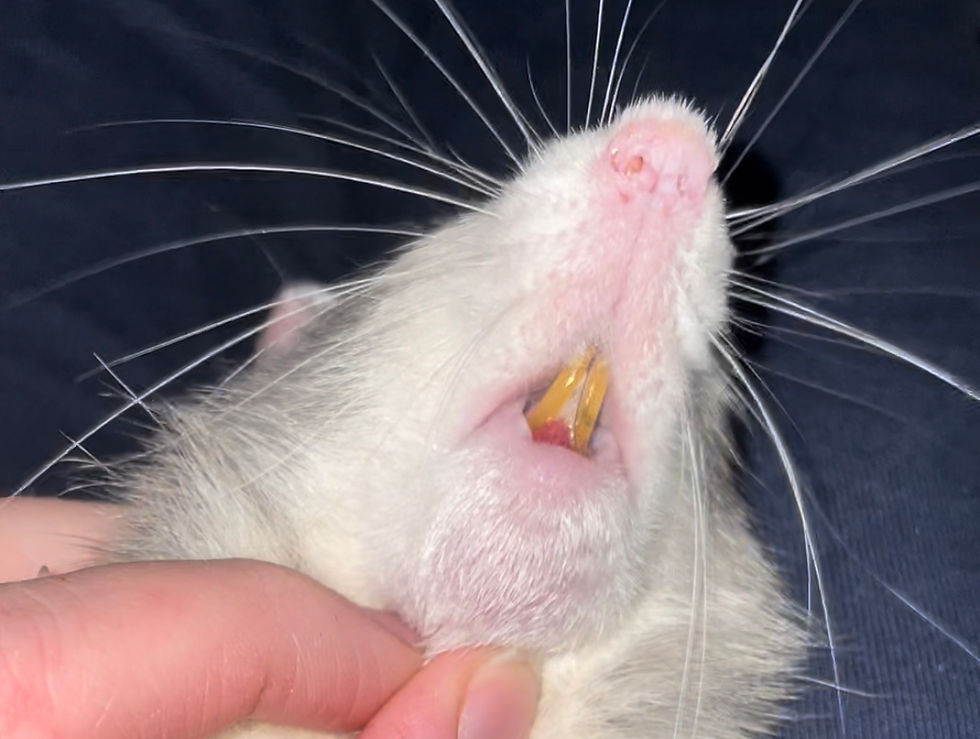

Broken teeth can be the result of trauma such as falling from a significant distance. Teeth will regrow on their own over time, but it is to be cautioned that the regrowth should be monitored to ensure that the tooth does not grow back crooked.

Credit: @antares_anta on Discord
Reproductive Disorders


Also known as: Difficult birth
Dystocia occurs when complications arise while an animal is in labour. Signs of dystocia include excessive vaginal bleeding, prolonged labour, multiple stillborns present, severe convulsions (indicative of pain), and the protrusion of a pup visibly stuck in the vaginal opening. A typical rat birth takes between one to two hours. If a rat has not delivered more than one or two pups after three to four hours and is appearing to struggle to give birth, dystocia is likely happening. An emergency vet visit must occur immediately to prevent the death of the mother.
Respiratory Illness
.jpg)
.jpg)
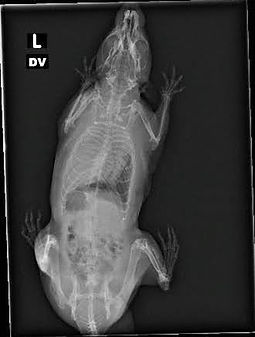
Murine respiratory mycoplasmosis comprises both upper and lower respiratory infections. However, upper respiratory infections are most commonly seen. Primarily caused by the bacteria Mycoplasma pulmonis (see Infectious Diseases), this is one of the most commonly seen illnesses in pet rats. Signs include excess porphyrin, increased respiratory rate, weight loss, and lethargy.
Mycoplasmosis can be categorised by three different stages: mild, mid, and late stage.
1. Mild stage - rat may appear slightly “puffy” and sneeze excessively. Congestion may be present, with mild crackling in the lungs. A small chirp/click/wheeze sound can be heard alongside the sneezes.
2. Mid stage - rat will become noticeably puffy, indicating pain and discomfort. The rat may start to be lethargic and drop a small amount of weight. Sneezing and respiratory wheeze will be more prevalent and consistent. Respiratory rate will appear more forceful.
3. Late stage - rat is exceptionally lethargic and feels almost “weak” when lifting them up. Severe respiratory distress will include signs such as side sucking and open-mouth breathing (gasping). This is an IMMEDIATE MEDICAL EMERGENCY as the rat is unable to properly get oxygen to their lungs.
The severity of the infection is time dependent, as mycoplasmosis will not resolve on its own. Veterinary intervention is required for the rat to make a full recovery, regardless of the stage. The sooner a rat is seen, the greater the chance of recovery. If a rat is past stage 2, there is poor prognosis, especially since it can progress to a more severe condition, such as pneumonia.
Respiratory illnesses can cause a rat to go downhill in as little as 12 hours from the start of symptoms and needs proper medical attention. If not treated, it will be fatal. Treatment must involve a combination of Doxycycline and Enrofloxacin, or Doxycycline and Azithromycin, as one antibiotic alone will not be sufficient enough to treat infections.
Urinary Tract Conditions


Also known as: Kidney Failure
CPN can be seen in elderly rats >18 months of age. Symptoms include a decrease in kidney function (nephropathy), chronic nephrosis, and elevated protein levels in urine. The kidneys become enlarged and pale due to a decrease in renal blood flow. Treatment typically involves calorie and protein restrictions to the diet (4 to 7% protein versus the normal 13 to 15% range).